August 20, 2026

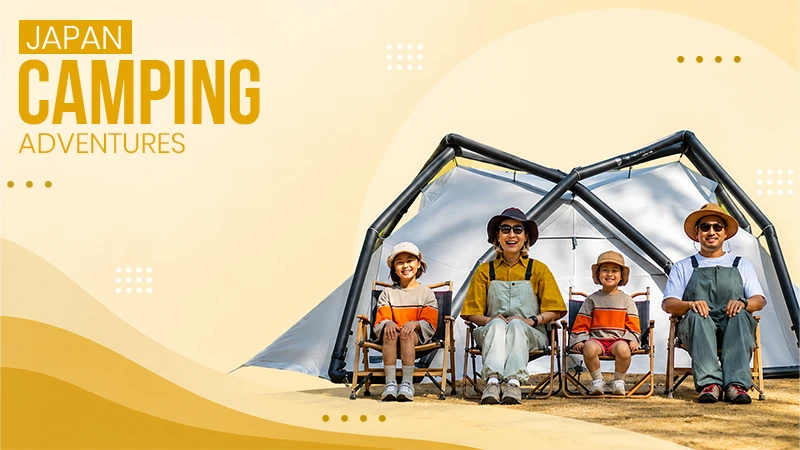
For many families living in Japan’s bustling metropolitan areas, the arrival of the weekend brings a strong desire to escape the concrete jungle of cities like Tokyo or Osaka. In recent years, family camping has transitioned from a simple outdoor activity into a deeply cherished cultural lifestyle. Japanese campsites, known for their pristine maintenance and scenic locations near mountains, rivers, or hot springs, offer the perfect backdrop for parents to slow down and connect with their children.
Unlike rugged wilderness survival, family camping in Japan emphasizes comfort, meticulous preparation, and creating a cozy “home away from home” in nature. This unique approach combines traditional outdoor skills with thoughtful domestic comforts.
To understand this outdoor culture, one must first look at how campgrounds in Japan are structured to support families of all experience levels. Most family-oriented sites prioritize convenience, safety, and community, making them highly accessible even for beginners.
The vast majority of Japanese families prefer what is locally known as “auto-camping” (auto-camp), where vehicles can be parked directly on the assigned campsite. This setup eliminates the exhausting chore of hauling heavy gear over long distances, which is particularly helpful when managing young children. Additionally, managed campsites often feature highly clean communal kitchens, flush toilets, hot showers, and sometimes even natural onsen (hot spring) baths on-site, providing a reassuring safety net for families.
Nature appreciation is deeply rooted in Japanese culture, and family camping trips are heavily planned around seasonal shifts. In spring, families camp beneath blooming cherry blossoms, while autumn trips are scheduled to witness the spectacular red and gold foliage of the mountains. Summer remains the most popular season for river play and insect catching, while winter camping has seen a rise among families who enjoy sitting around a warm campfire in the crisp, quiet winter air.
Organization is highly valued in Japanese society, and this cultural trait is fully reflected in how families set up their living spaces in nature. A typical campsite is divided into distinct, functional zones that maximize both physical comfort and social interaction.
To accommodate changing weather and provide privacy, the “two-room” tent design has become the standard for family campers. This setup combines a spacious sleeping cabin and a large, integrated living room or vestibule under a single structure. This design allows families to dine, play games, and relax protected from unexpected rain or intense summer sun, ensuring that a sudden downpour does not ruin the collective mood of the trip.
Within the living zone, families almost exclusively opt for a “low-style” furniture arrangement. By using 折りたたみローチェア and low tables, the entire family sits closer to the ground, creating a cozy, intimate atmosphere that makes the camping space feel much larger. This low-sitting posture is also highly safe for toddlers, as it eliminates the danger of falling from high chairs and allows children to easily move between the dining table and play areas.
Packing for a family trip requires a balance between complete comfort and vehicle space limitations. Japanese families have mastered the art of choosing highly efficient, multi-functional gear that performs beautifully in the outdoors.
Among the most critical gear investments for any family camper is a set of compact, low-profile folding chairs. These seats feature highly collapsible frames that pack down into slim carrying bags, fitting easily into the crowded trunk of a family minivan alongside coolers and tents. The ground-hugging design provides excellent stability on uneven gravel or soft grass, and the relaxed seat angle is perfect for lounging around the campfire after a long day of outdoor activities.
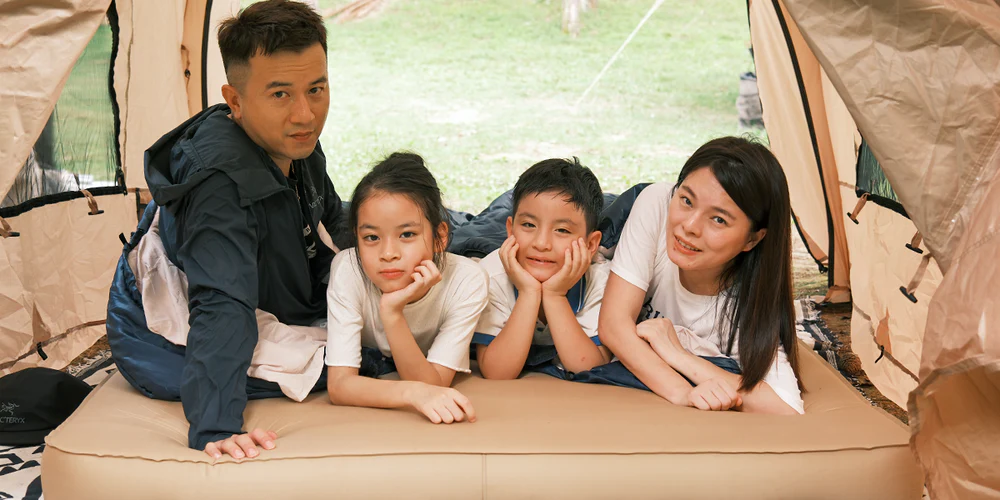
A good night’s sleep is essential for keeping children energized and parents relaxed during a multi-day trip. Families rely on thick, self-inflating foam mats or multi-zone キャンプ用エアマット that lay perfectly flat across the tent floor. These inflatable sleep systems isolate campers from the cold, damp ground while cushioning them from hard rocks or tree roots underneath the tent, ensuring everyone wakes up refreshed and ready for adventure.
In Japan, campsite cooking is treated as a fun, collaborative family activity rather than a quick chore. Preparing meals together allows parents to teach children valuable life skills while enjoying fresh, local ingredients in a beautiful outdoor setting.
To minimize cleanup and simplify cooking logistics, families often prepare hearty, one-pot dishes that can be shared straight from the stove. In the colder months, a steaming hot-pot (nabe) filled with seasonal vegetables, mushrooms, and tofu keeps everyone warm and nourished. During the summer, simple curry rice or grilled local meats prepared over a portable tabletop stove allow families to enjoy gourmet-quality meals with very little effort.
Campsite kitchen duties are highly collaborative, with tasks divided among family members according to their age. Older children are often tasked with safely collecting firewood, washing vegetables at the communal sinks, or setting up the low-profile dining table. These simple outdoor responsibilities build confidence in young children, helping them develop a sense of independence and teamwork while spending quality time away from digital screens.
The unique culture of family camping in Japan highlights a beautiful truth: spending time in nature does not mean sacrificing comfort, safety, or organization. By utilizing smart, space-saving gear like low-profile folding chairs, comfortable inflatable beds, and well-designed two-room tents, families can easily establish a cozy, stress-free oasis in the wild. Ultimately, these weekend trips are not just about escaping the city; they are about creating lasting memories, teaching children to appreciate the natural world, and strengthening family bonds around a warm, quiet campfire.


Subscribe to our mailing list to receives daily updates!
Disclaimer: The information provided on the website is only for informational purposes and is not intended to, constitute legal advice, instead of all information, content, and other available materials.