August 20, 2026

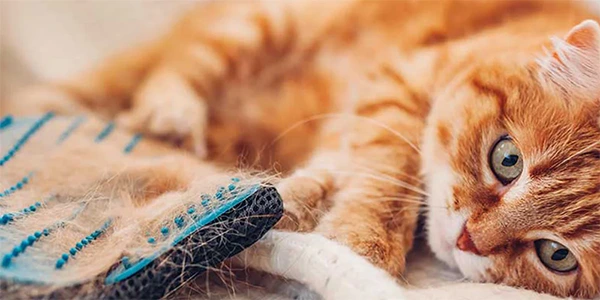
Living with a feline companion brings immense warmth, comfort, and entertainment to any household, but it also comes with the constant presence of loose pet hair. Shedding is a completely natural physiological process for cats, serving as their body’s way of discarding old or damaged fur to make room for a healthy coat. However, managing the sheer volume of fur that accumulates on furniture, carpets, and clothing can sometimes feel like an overwhelming daily battle. Developing a comprehensive understanding of why shedding happens—and how to effectively manage it through proactive coat care and home cleaning routines—is the key to enjoying a clean living space while keeping your cat healthy and happy.
A cat’s coat undergoes a continuous cycle of growth, resting, and shedding, which is largely influenced by environmental factors such as natural daylight and ambient temperature changes. Outdoor cats typically experience dramatic seasonal shedding spikes during spring and autumn, losing their dense winter undercoats to prepare for warmer weather or shedding lightweight summer fur to grow thick winter protection. Indoor cats, on the other hand, are exposed to artificial lighting and climate-controlled living environments year-round, which can cause their natural shedding cycles to become constant and subtle across all twelve months.
While daily shedding is normal, sudden increases in fur loss or the appearance of localized bald patches can be an indicator of underlying physical health or emotional stress. Nutritional deficiencies, food allergies, skin parasites, and hormonal imbalances can all compromise coat strength and cause fur to fall out prematurely. Psychological factors like sudden household changes, loud environments, or conflict with other pets can also trigger excessive grooming and stress-induced shedding. Observing your cat’s behavior alongside their fur condition helps you identify whether shedding is merely a routine physical process or a subtle signal that your pet needs extra attention or veterinary care.
Regular brushing is the most important defense against excessive household shedding, as it removes loose fur directly from the skin surface before it has a chance to drift onto your floors and furniture. Long-haired breeds require daily combing with specialized undercoat tools to prevent painful mats and tangles from forming deep within their dense coats. Short-haired cats benefit from gentle weekly sessions using rubber grooming mitts or soft bristle brushes to stimulate natural skin oils and distribute them evenly across the coat. Establishing a predictable, gentle brushing routine turns grooming into a soothing bonding activity that reduces the volume of swallowed hair and lowers the risk of troublesome hairballs.
As pet care technology continues to evolve, home grooming tools have become significantly more efficient and user-friendly for everyday pet owners. Incorporating a versatile コードレスペットバリカン 7-in-1セット into your care routine allows you to tackle multiple maintenance tasks effortlessly with a single, streamlined system. These multifunctional home units combine specialized attachments designed for haircutting, gentle brushing, and instantly sucking away loose fur directly at the source during the grooming session. Using integrated tools that clip and comb while simultaneously capturing flying hairs ensures a clean, stress-free experience, preventing stray fur from dispersing into the air and settling on your living room furniture.
Controlling loose fur in the home requires a strategic approach to cleaning that targets airborne dander as well as settled hair on household surfaces. High-traffic carpeted areas and upholstered furniture act as natural magnets for pet dander and fine undercoat fur, requiring frequent vacuuming using motorized brush rolls designed to lift embedded hairs. Placing high-efficiency particulate air filters in main living areas continuously pulls floating fur and allergen particles out of the air before they land on soft furnishings. Regularly washing pet bedding, couch covers, and throw blankets in warm water helps break down stubborn hair fibers and eliminates accumulated pet odors.
Preventing pet fur from clinging to everyday clothing and delicate fabric furniture relies on proactive protective measures and smart textile choices. Utilizing specialized rubber squeegees, microfiber cloths, or reusable lint rollers makes quick work of removing stubborn fur lines from fabric sofa cushions and curtain hems. Covering favorite sleeping spots with washable fabric throws protects primary upholstery from direct contact with loose fur and natural skin oils. Choosing tightly woven fabrics or smooth leather materials for high-use living room furniture minimizes fur attachment, making daily cleanup fast and effortless.
A cat’s outer appearance is a direct reflection of their internal health, making proper nutrition essential for maintaining strong hair follicles and minimizing unnecessary shedding. Feeding a balanced, high-protein diet rich in essential omega-3 and omega-6 fatty acids nourishes the skin layer, strengthens the hair shaft, and reduces inflammation that leads to excessive dryness. Adequate hydration is equally critical, as chronic mild dehydration leads to brittle fur and dry, flaky skin that sheds hair prematurely. Providing fresh running water fountains encourages regular drinking habits, supporting optimal skin elasticity and maintaining a sleek, vibrant coat.
Promoting overall coat health involves providing a serene, stable living environment that minimizes anxiety-induced fur shedding. Establishing predictable daily routines for feeding, play, and grooming provides cats with a strong sense of security and emotional comfort. Offering dedicated vertical climbing structures, cozy hiding spots, and regular interactive play sessions helps release pent-up energy and reduces chronic stress levels. By pairing a nutrient-rich diet and a calm home environment with modern grooming practices, you can successfully manage seasonal shedding, maintain a pristine living space, and ensure your feline friend stays healthy and beautiful.

Subscribe to our mailing list to receives daily updates!
Disclaimer: The information provided on the website is only for informational purposes and is not intended to, constitute legal advice, instead of all information, content, and other available materials.